Work
Interior Photography
Overview
One thing that is particularly close to my heart is composition. I always try to find the perfect balance between the elements, to guide the viewer's gaze. Whether it is exploiting the vanishing lines of a corridor or playing with the symmetries of a façade, I want the image to be harmonious, pleasant to look at.
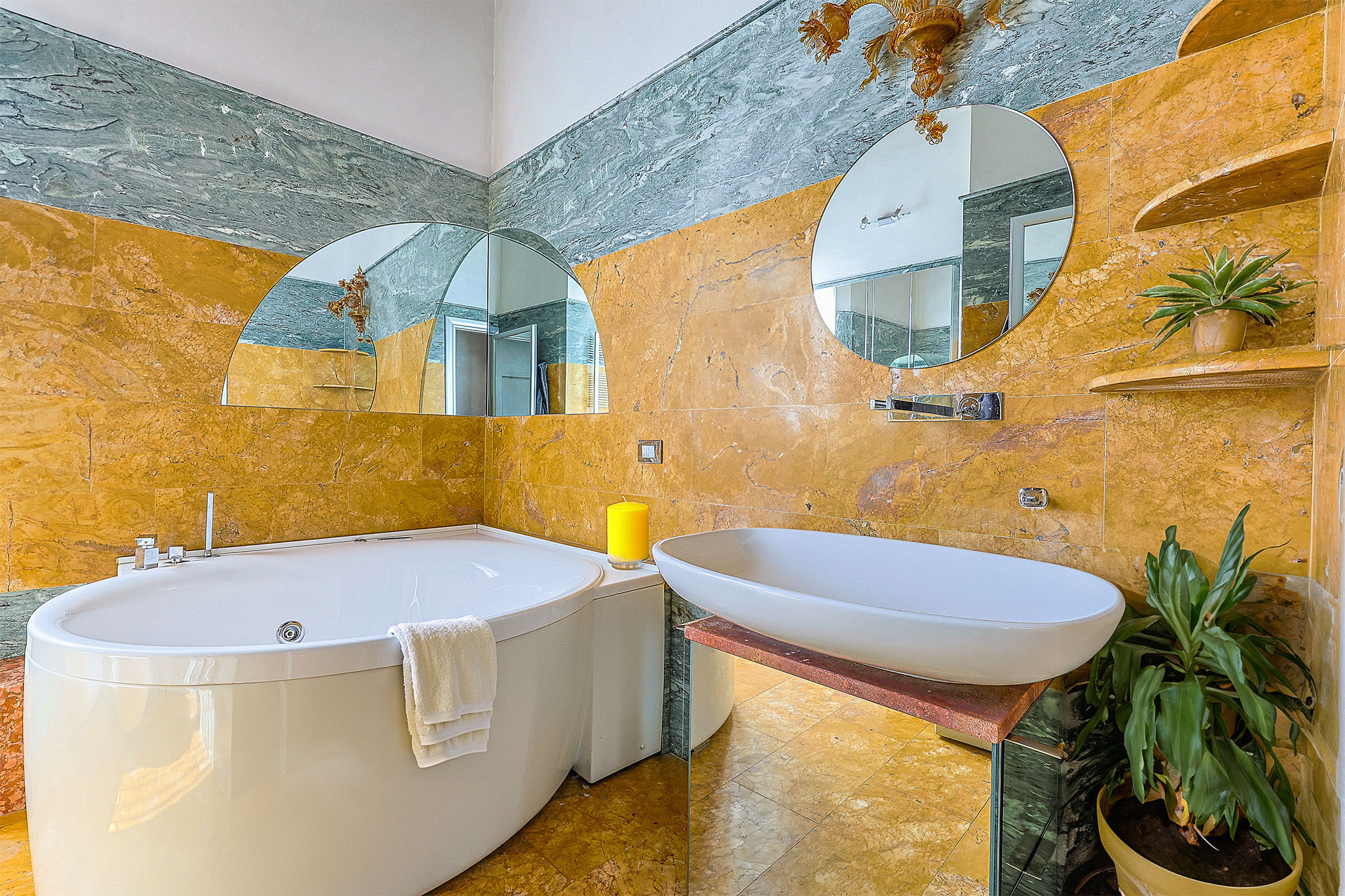
Then there is the light, of course. Light is everything. Whether it is natural light flooding a loft or artificial light sculpting shadows in a more intimate environment, I always try to make the best use of it, to enhance shapes, materials, atmospheres. Sometimes, I like to push the contrasts, to create a dramatic effect. Other times, I prefer a softer, more enveloping light.
I know there is always room for improvement. I keep studying, experimenting, trying to refine my style. Maybe I should focus more on post-production, make my images even more flawless. It is not about distorting reality, but about enhancing details, correcting imperfections, getting the result I have in mind.
And then there is the narrative. I want my photos to be not only beautiful, but also meaningful, to tell a story, to arouse emotions. I am trying to find ways to capture the soul of spaces, to pay homage to their uniqueness.
One thing that is particularly close to my heart is composition. I always try to find the perfect balance between the elements, to guide the viewer's gaze. Whether it is exploiting the vanishing lines of a corridor or playing with the symmetries of a façade, I want the image to be harmonious, pleasant to look at.
Then there is the light, of course. Light is everything. Whether it is natural light flooding a loft or artificial light sculpting shadows in a more intimate environment, I always try to make the best use of it, to enhance shapes, materials, atmospheres. Sometimes, I like to push the contrasts, to create a dramatic effect. Other times, I prefer a softer, more enveloping light.
I know there is always room for improvement. I keep studying, experimenting, trying to refine my style. Maybe I should focus more on post-production, make my images even more flawless. It is not about distorting reality, but about enhancing details, correcting imperfections, getting the result I have in mind.
And then there is the narrative. I want my photos to be not only beautiful, but also meaningful, to tell a story, to arouse emotions. I am trying to find ways to capture the soul of spaces, to pay homage to their uniqueness.
Approach
My approach to interior and architectural photography is a mix of preparation, intuition and technique. I don't just take pictures, I enter spaces, I live them, I try to understand their logic, function, aesthetics.
Before each shot, there is intense preparation work.
I make inspections, study the lighting, the arrangement of the furniture, the photographic potential. I take notes, sketch the shots, imagine the final result.
I talk to my clients, architects, interior designers, owners.
I try to understand their needs, their expectations, their vision. I want my photos to reflect their creativity, their work.
Then there is the question of equipment.
I am demanding, I admit it. I want to have the right tools for every situation.
I use a full-frame camera, which gives me the highest image quality and total control over the depth of field. I have several lenses: a wide-angle lens to capture wide views, a tilt-shift lens to correct perspective distortions, a standard lens for details. And, of course, a sturdy tripod, which is essential to ensure the sharpness of the images. When shooting, I apply the rules of composition, but I also try to experiment, to break the rules, to find unexpected angles.
I control the exposure in manual mode, dosing the aperture, shutter speed and ISO sensitivity to achieve the desired effect. If necessary, I use techniques such as bracketing or focus stacking to overcome technical limitations and achieve perfect images.
My approach to interior and architectural photography is a mix of preparation, intuition and technique. I don't just take pictures, I enter spaces, I live them, I try to understand their logic, function, aesthetics.
Before each shot, there is intense preparation work.
I make inspections, study the lighting, the arrangement of the furniture, the photographic potential. I take notes, sketch the shots, imagine the final result.
I talk to my clients, architects, interior designers, owners.
I try to understand their needs, their expectations, their vision. I want my photos to reflect their creativity, their work.
Then there is the question of equipment.
I am demanding, I admit it. I want to have the right tools for every situation.
I use a full-frame camera, which gives me the highest image quality and total control over the depth of field. I have several lenses: a wide-angle lens to capture wide views, a tilt-shift lens to correct perspective distortions, a standard lens for details. And, of course, a sturdy tripod, which is essential to ensure the sharpness of the images. When shooting, I apply the rules of composition, but I also try to experiment, to break the rules, to find unexpected angles.
I control the exposure in manual mode, dosing the aperture, shutter speed and ISO sensitivity to achieve the desired effect. If necessary, I use techniques such as bracketing or focus stacking to overcome technical limitations and achieve perfect images.
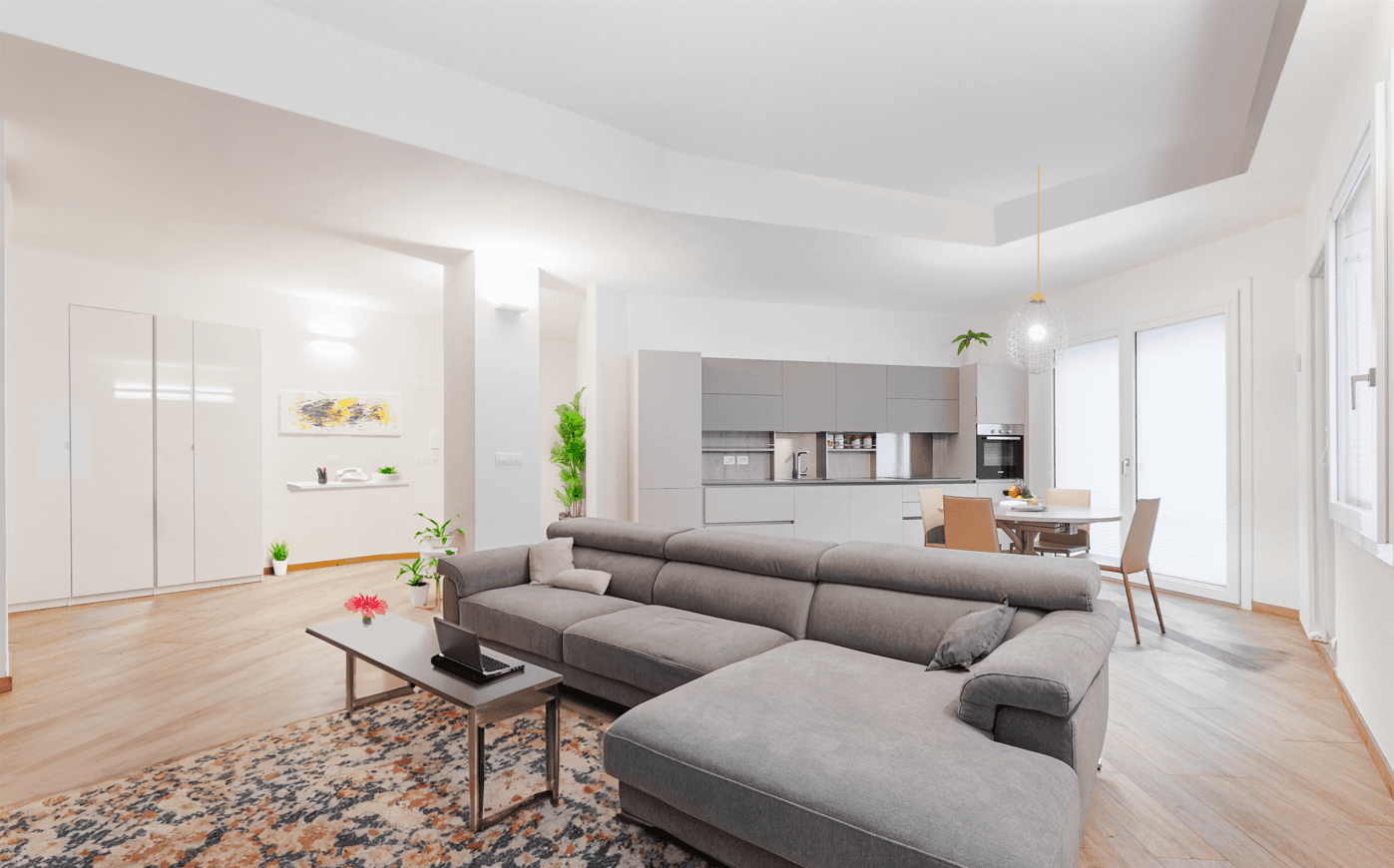
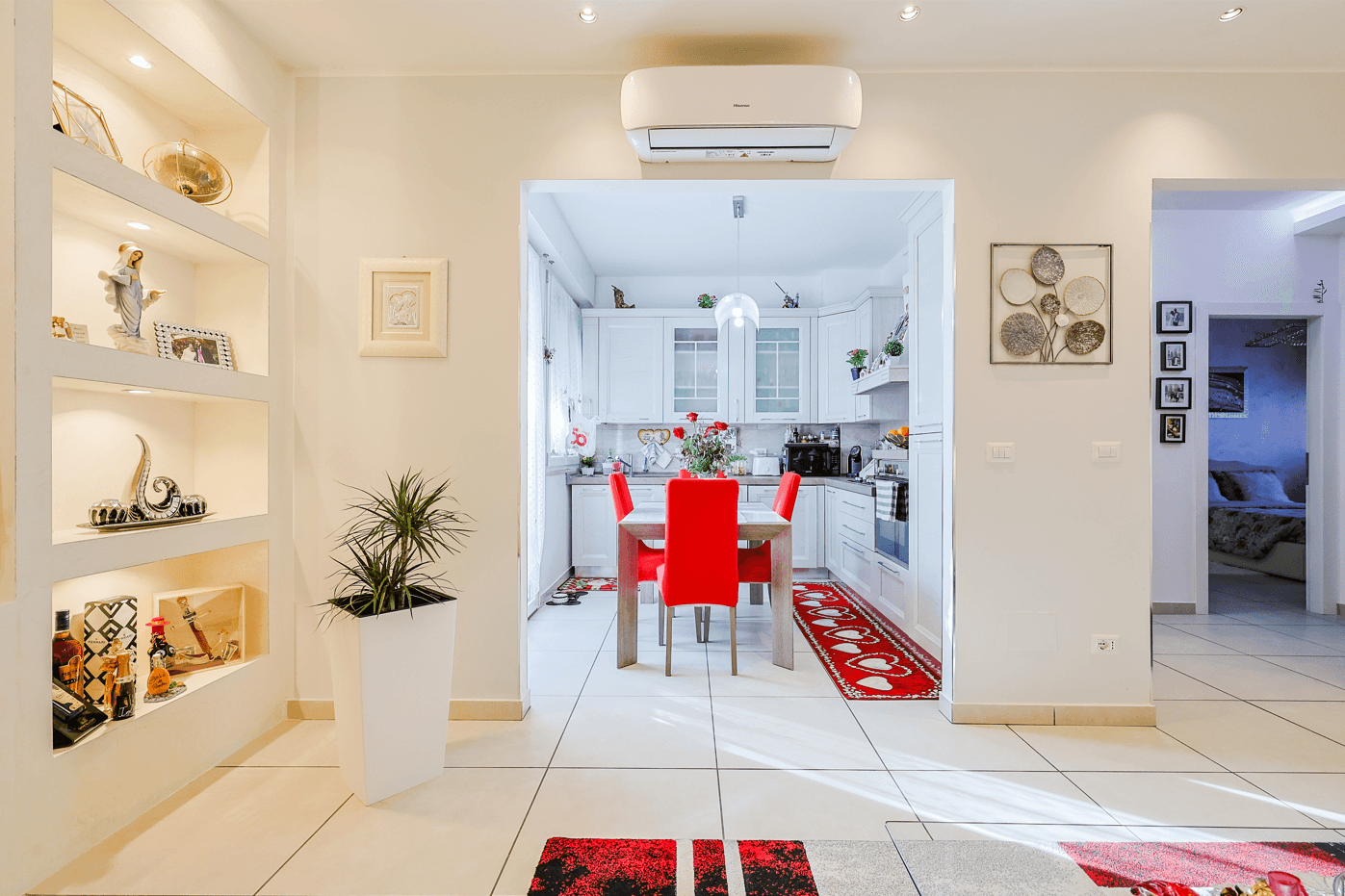
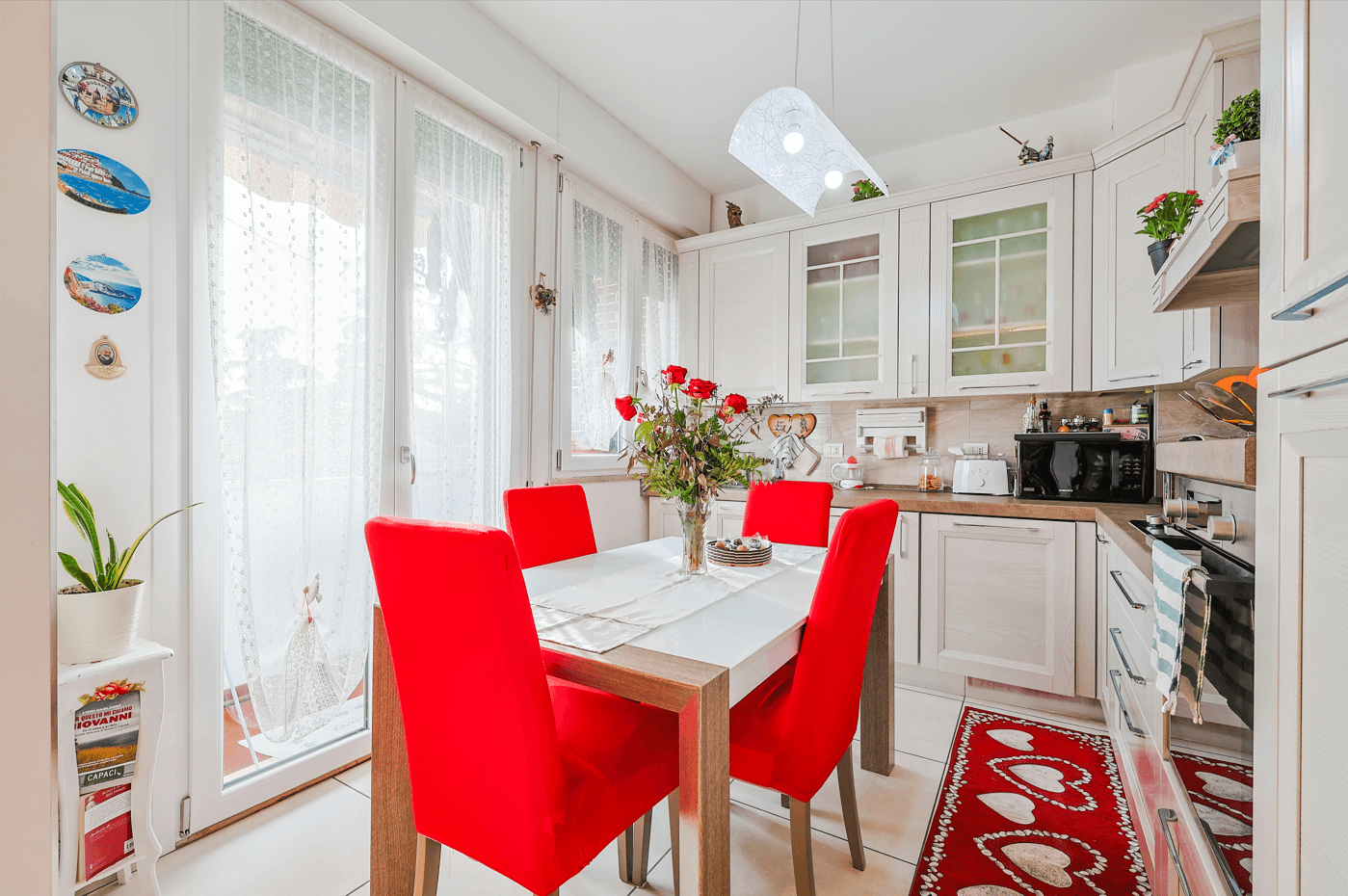
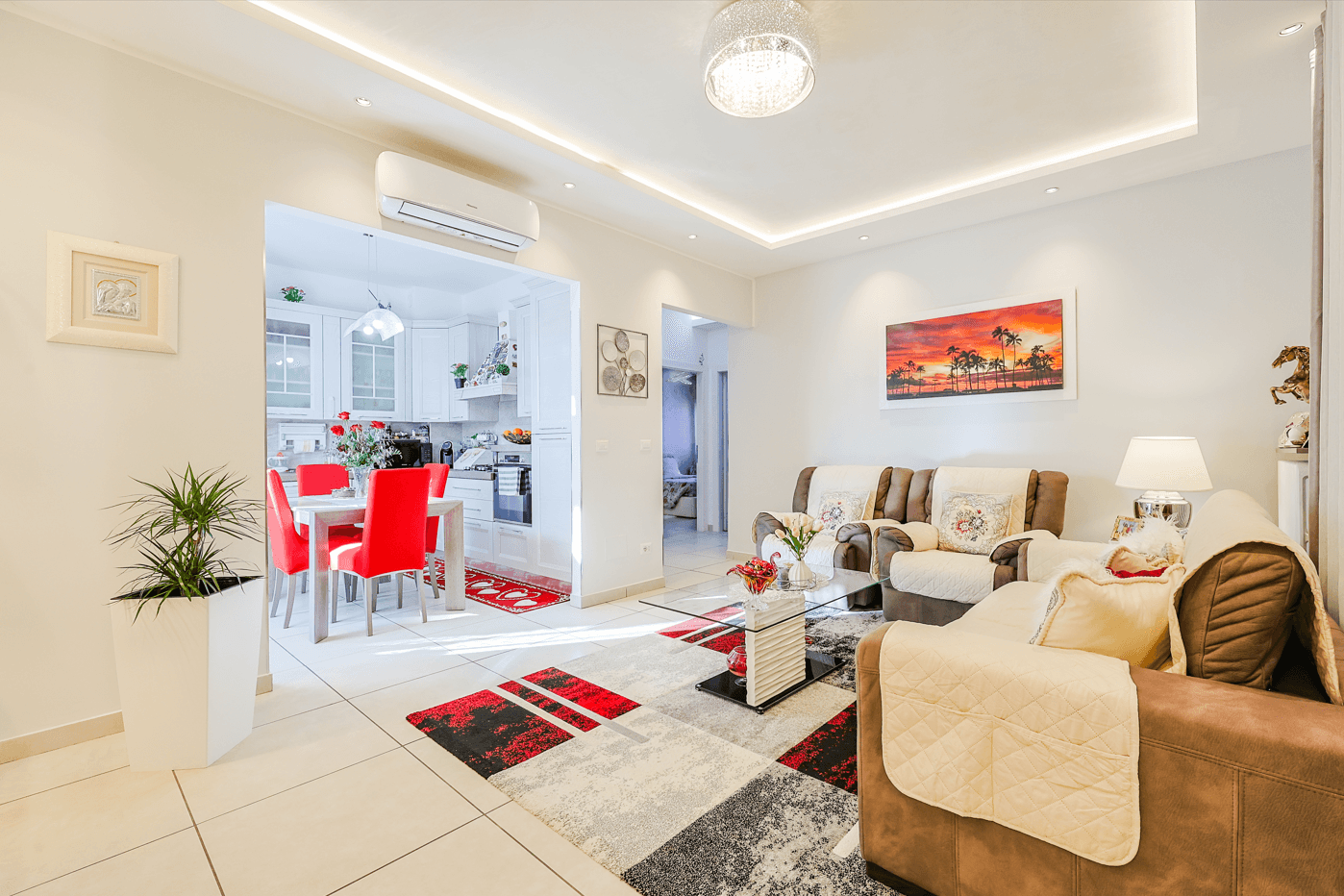
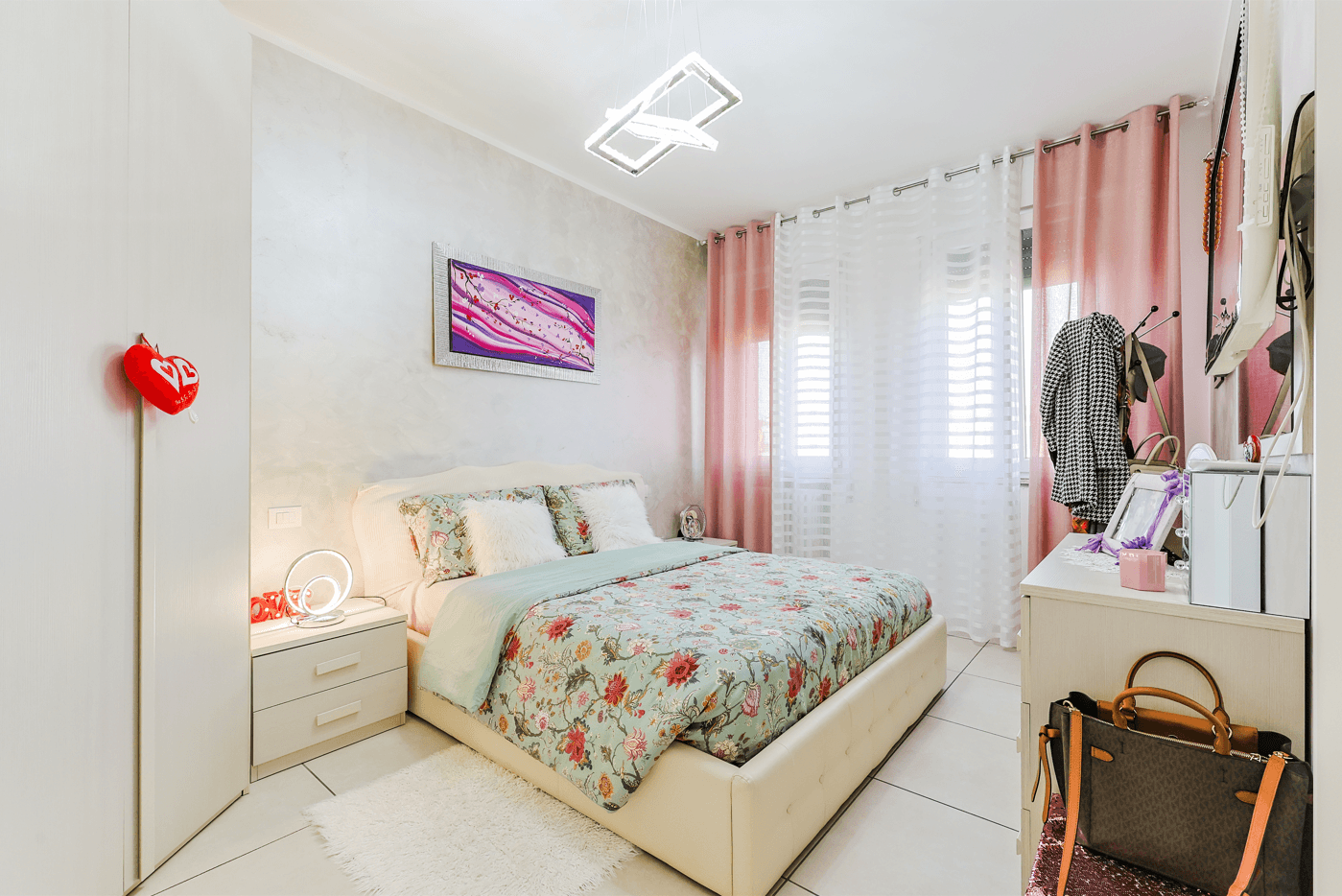
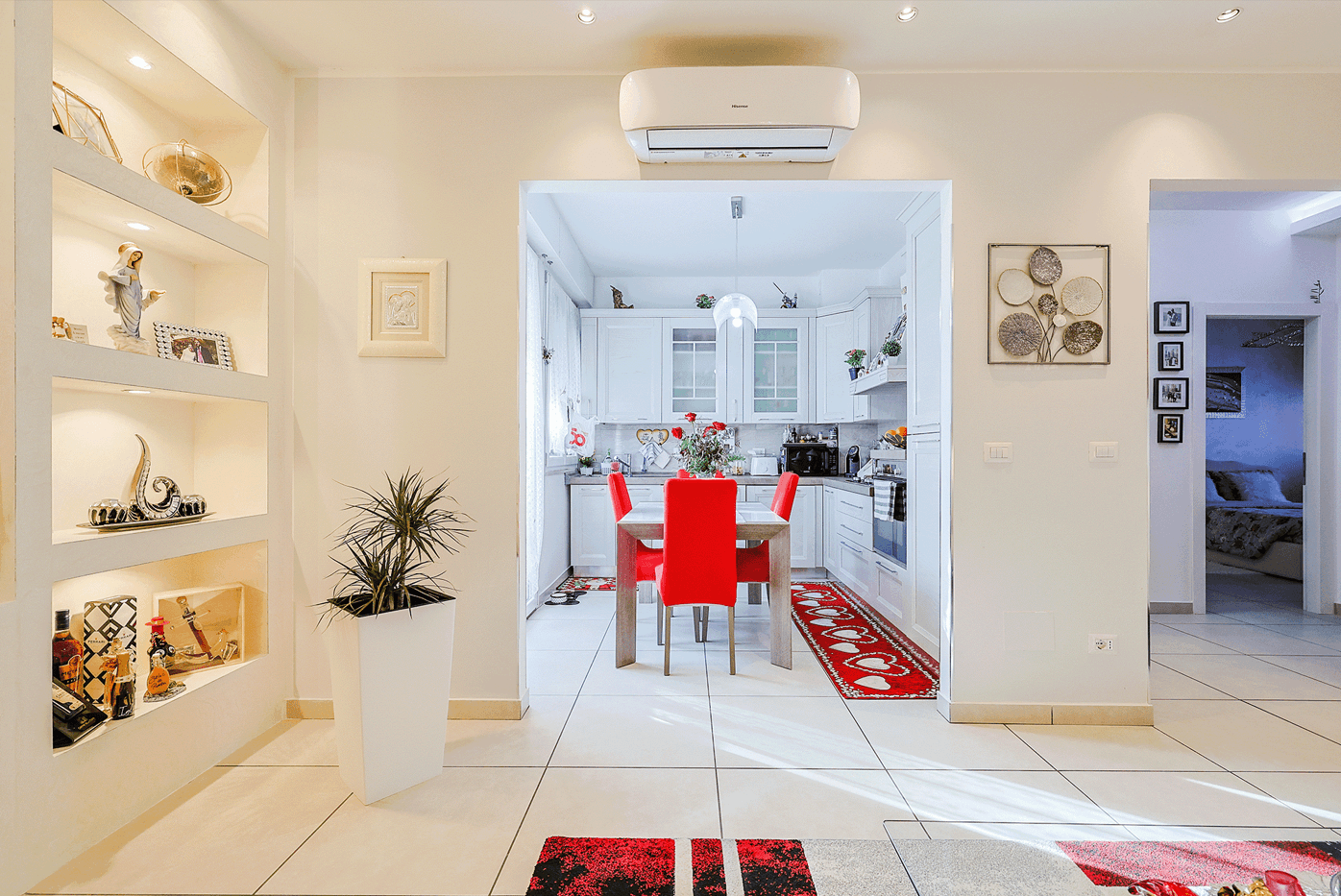
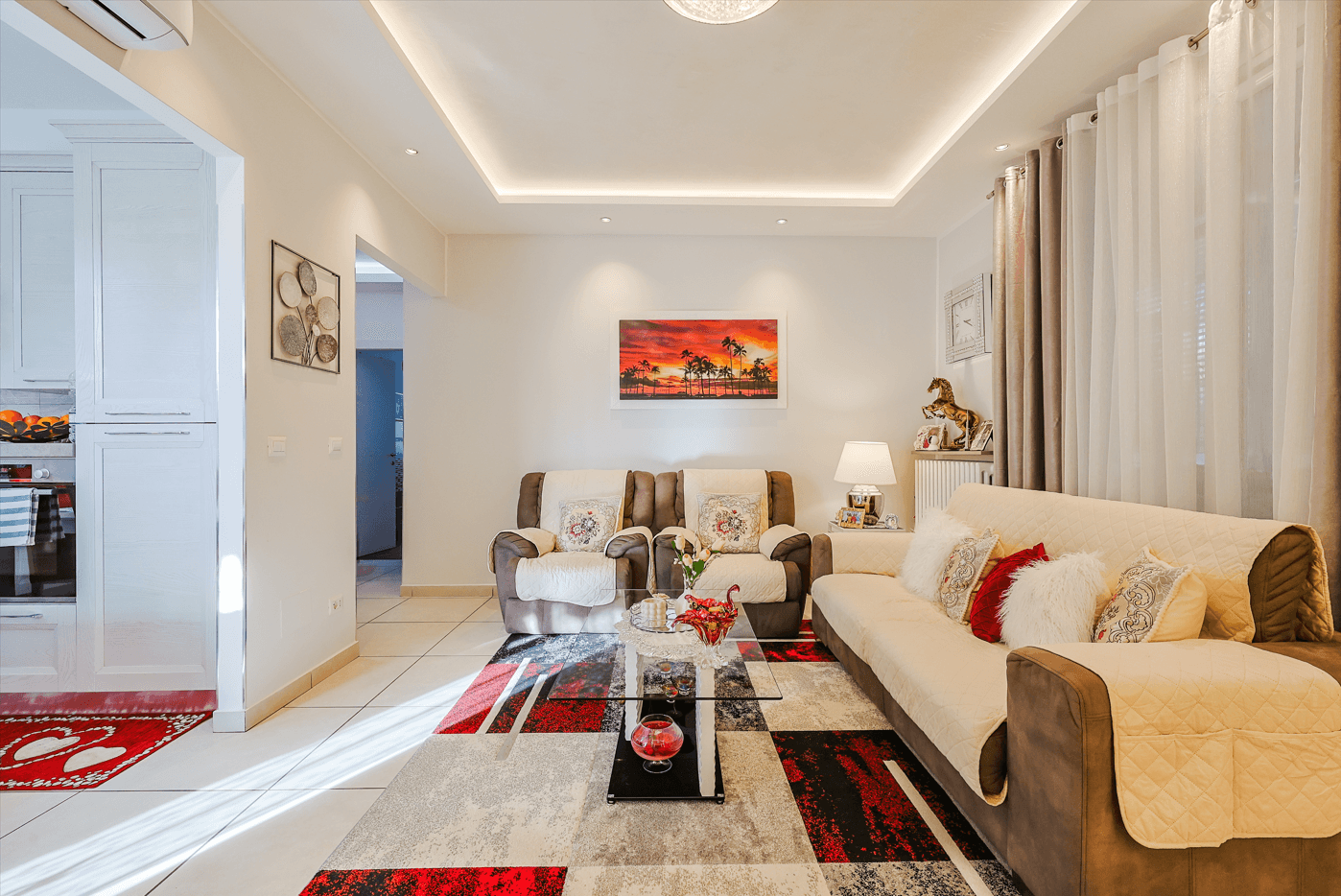
Photonica was created to meet the needs of real estate agencies at 360° with packages consisting of photographic services, videos, virtual tours, matterports, renderings, graphics and much more.
As professionals in real estate photography, our goalis to offer a service that is innovative, fast and brings more value to the image of the real estate agency.
Sales and leases of real estate take place mainly online.That is why it is important to publish ads with visual content that can enhance the spaces and furnishings.
More than 30,000 photosand related post productions appear in our portfolio in just one year.
Photonica
Photonica was created to meet the needs of real estate agencies at 360° with packages consisting of photographic services, videos, virtual tours, matterports, renderings, graphics and much more.
As professionals in real estate photography, our goalis to offer a service that is innovative, fast and brings more value to the image of the real estate agency.
Sales and leases of real estate take place mainly online.That is why it is important to publish ads with visual content that can enhance the spaces and furnishings.
More than 30,000 photosand related post productions appear in our portfolio in just one year.
Photonica was created to meet the needs of real estate agencies at 360° with packages consisting of photographic services, videos, virtual tours, matterports, renderings, graphics and much more.
As professionals in real estate photography, our goalis to offer a service that is innovative, fast and brings more value to the image of the real estate agency.
Sales and leases of real estate take place mainly online.That is why it is important to publish ads with visual content that can enhance the spaces and furnishings.
More than 30,000 photosand related post productions appear in our portfolio in just one year.